
A guitar begins long before it looks anything like a guitar.
It All Starts with Wood
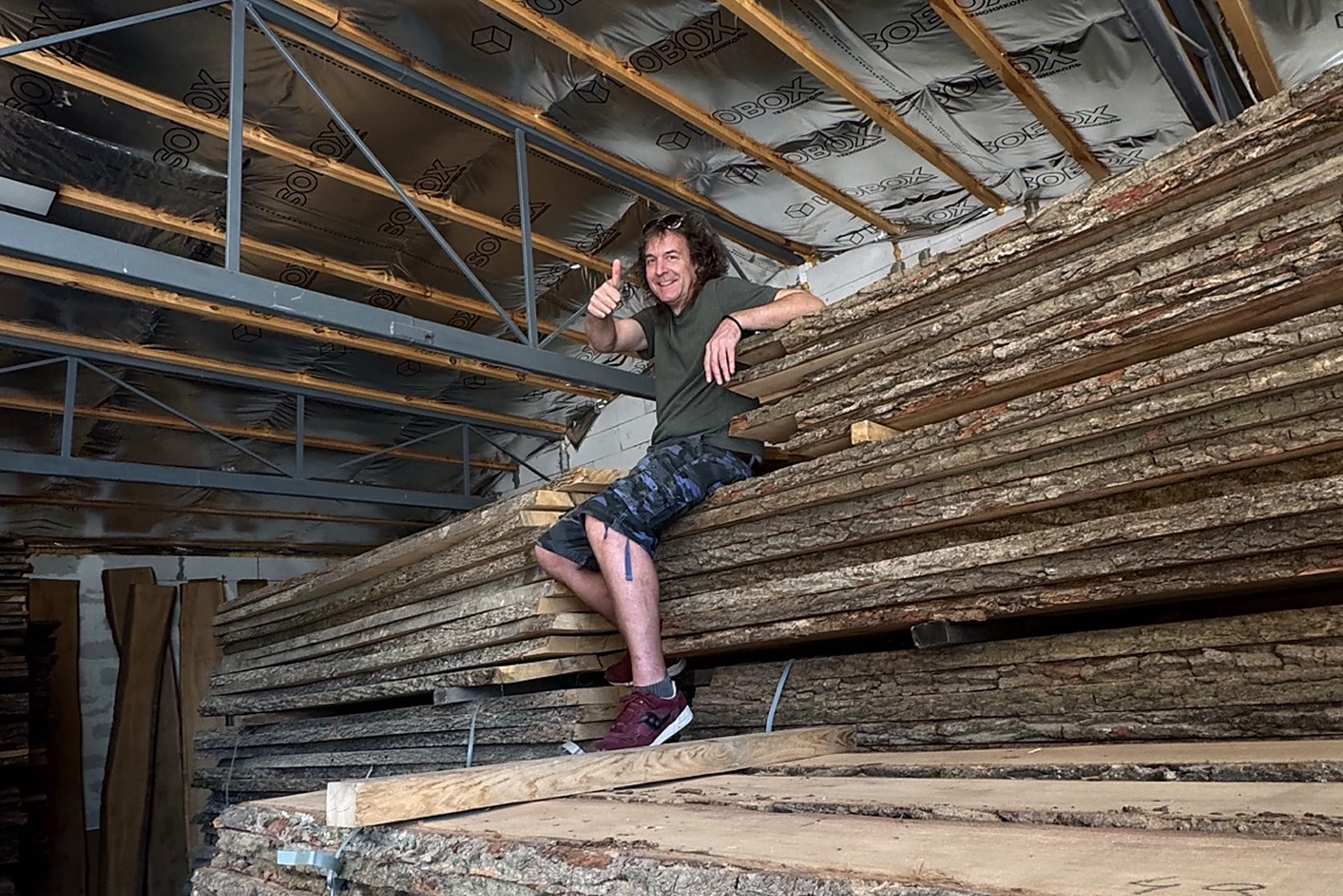
Everything begins in our wood storage, where we search through hundreds of boards for the ones we want to work with.
We look at much more than the species or a beautiful grain pattern. We consider weight, density, grain structure, stability and, of course, the way the wood resonates.
You pick up a board, tap it, listen — and it already starts telling you something.
After years of doing this, you begin to feel the difference between a good piece of wood and one that has the potential to become a truly alive, responsive guitar.

Wood Needs Time
We don’t like to rush things when there is no reason to.
The selected wood needs to be properly dried and cut. At this point, a future body or neck still looks like nothing more than a piece of maple, alder or ash.
But this is where the stability of the instrument for many years to come begins.
Wood doesn’t care much about our production schedule.
Sometimes it simply needs time to rest.
First, the Blanks
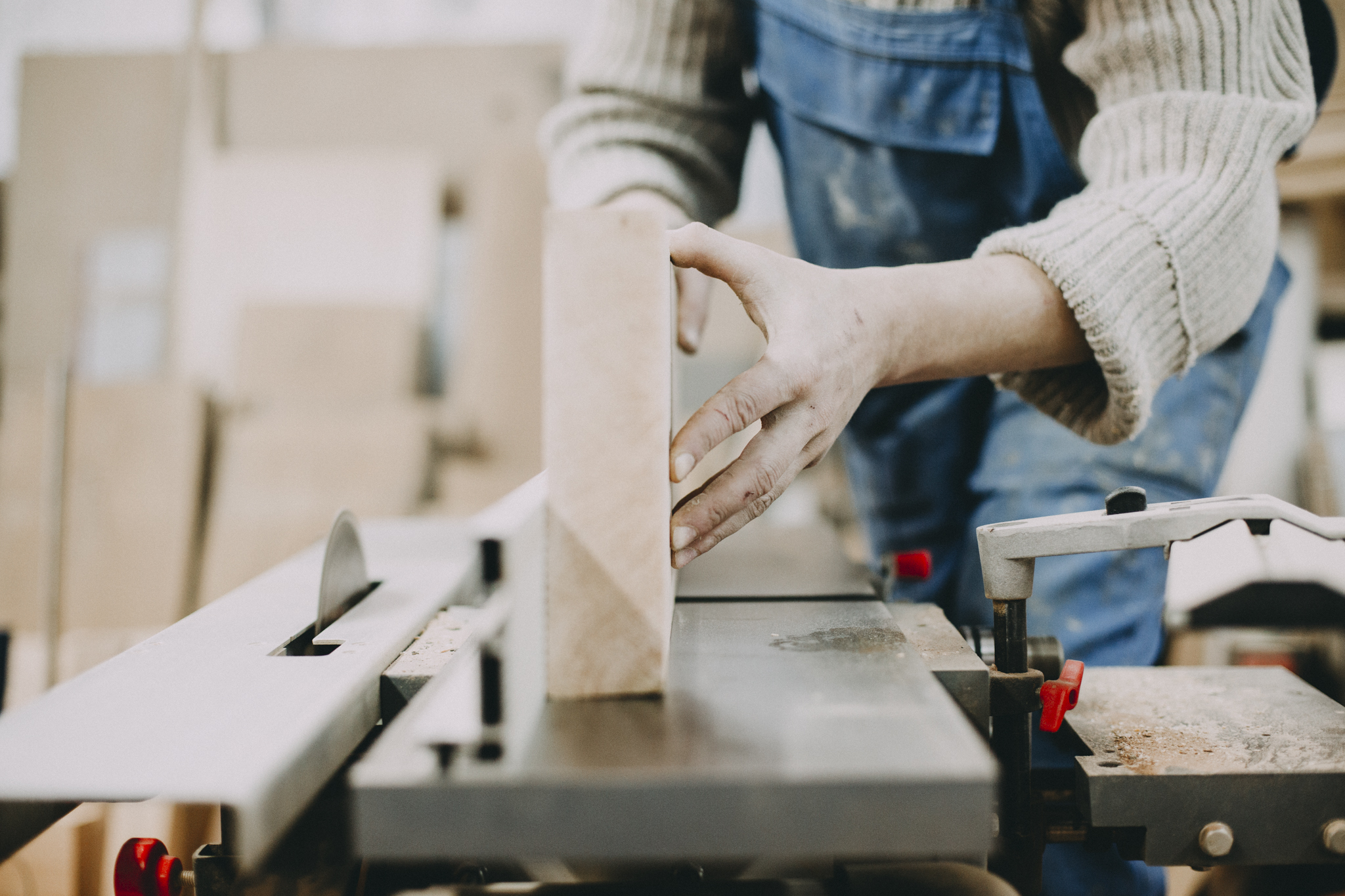
Before wood can become a guitar body or neck, it first has to become the right blank.
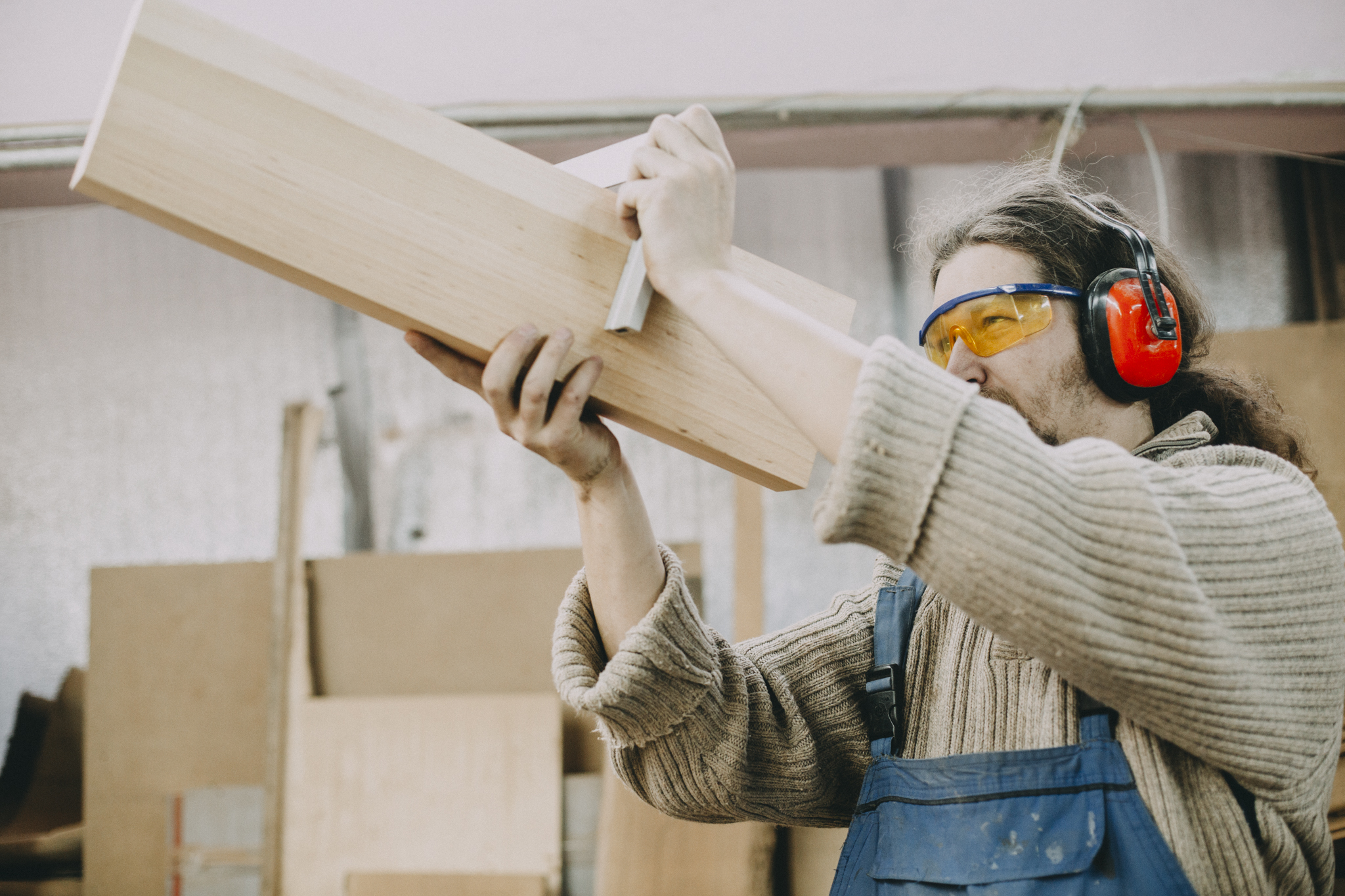
We inspect every board again, looking at grain direction and structure, figure, weight and any natural characteristics of the wood. An important decision is exactly how the future part will be positioned within the board — because this affects not only its appearance, but also the stability and properties of the finished piece.
For bodies, we select sections with the right thickness, weight and grain structure. If a body is made from more than one piece, the sections are matched for grain direction, figure and density, their joining surfaces are carefully prepared, and they are glued together into a single body blank. Once the glue has fully cured, the blank is trimmed to the required dimensions.
Neck wood demands even more attention. Straight, stable grain, the way the board was cut, and the absence of internal defects are especially important here, because anything unstable in the wood may eventually affect the geometry of the neck. The neck blank is cut from the board, inspected again, and given time to stabilize after cutting.

At this point, the wood still looks almost nothing like a guitar. In front of us are simply rectangular pieces of maple, alder, ash or another species.
But they are no longer just boards from the wood storage.
A Guitar Emerges from the Board
Then the work of our craftsmen begins.
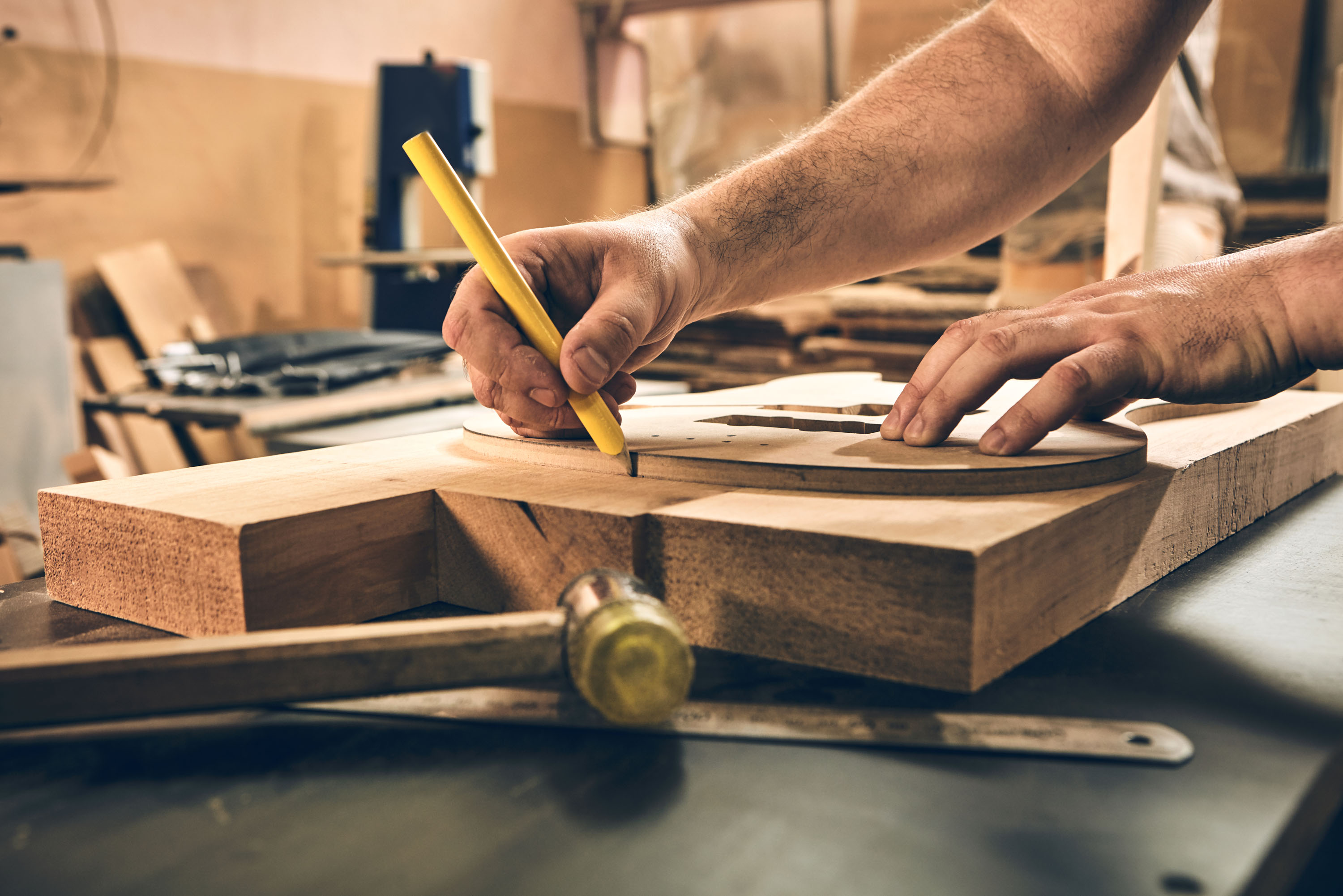
Not long ago, this was simply a board we selected from hundreds of others. Now it enters production and gradually begins to take the shape of an instrument.
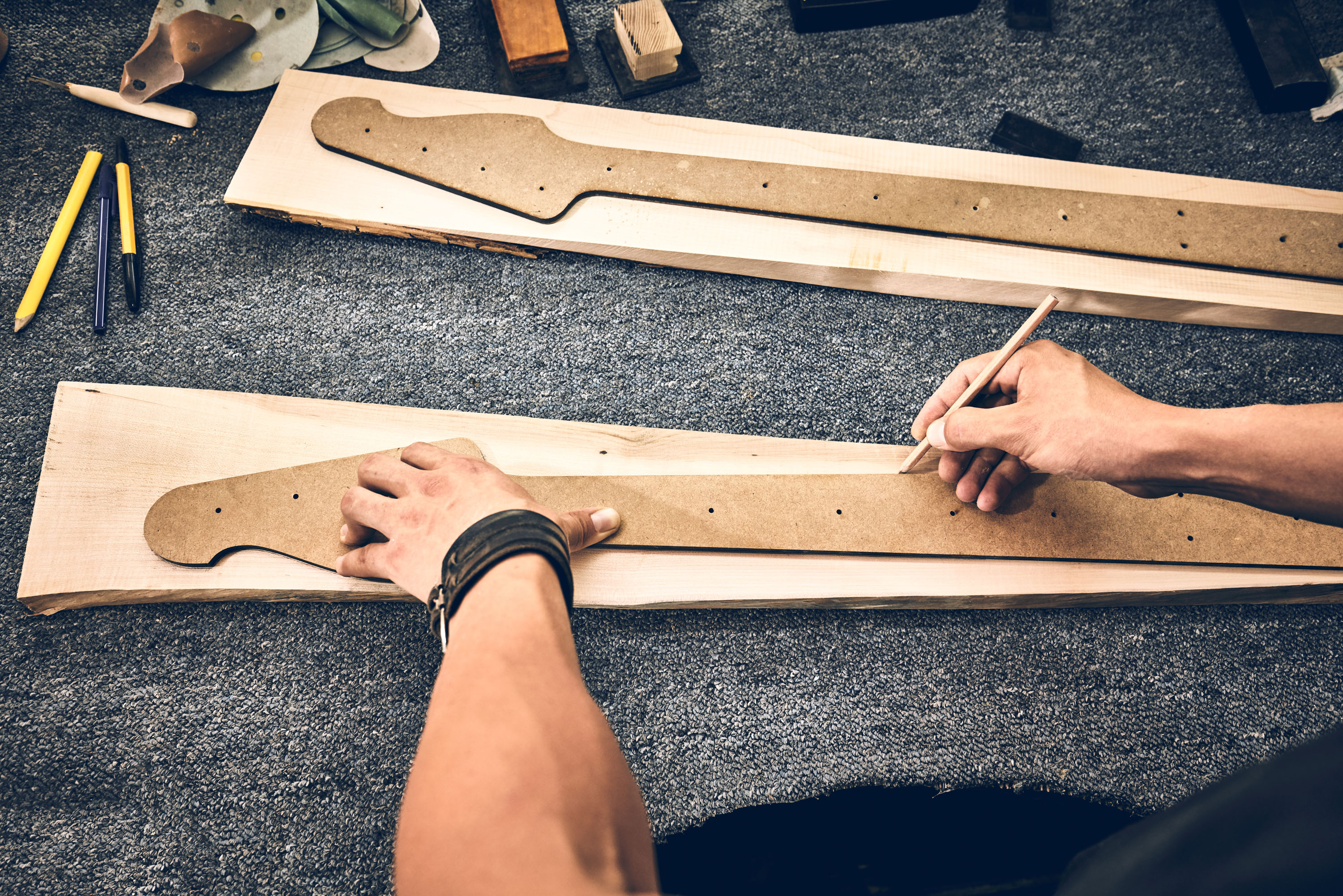
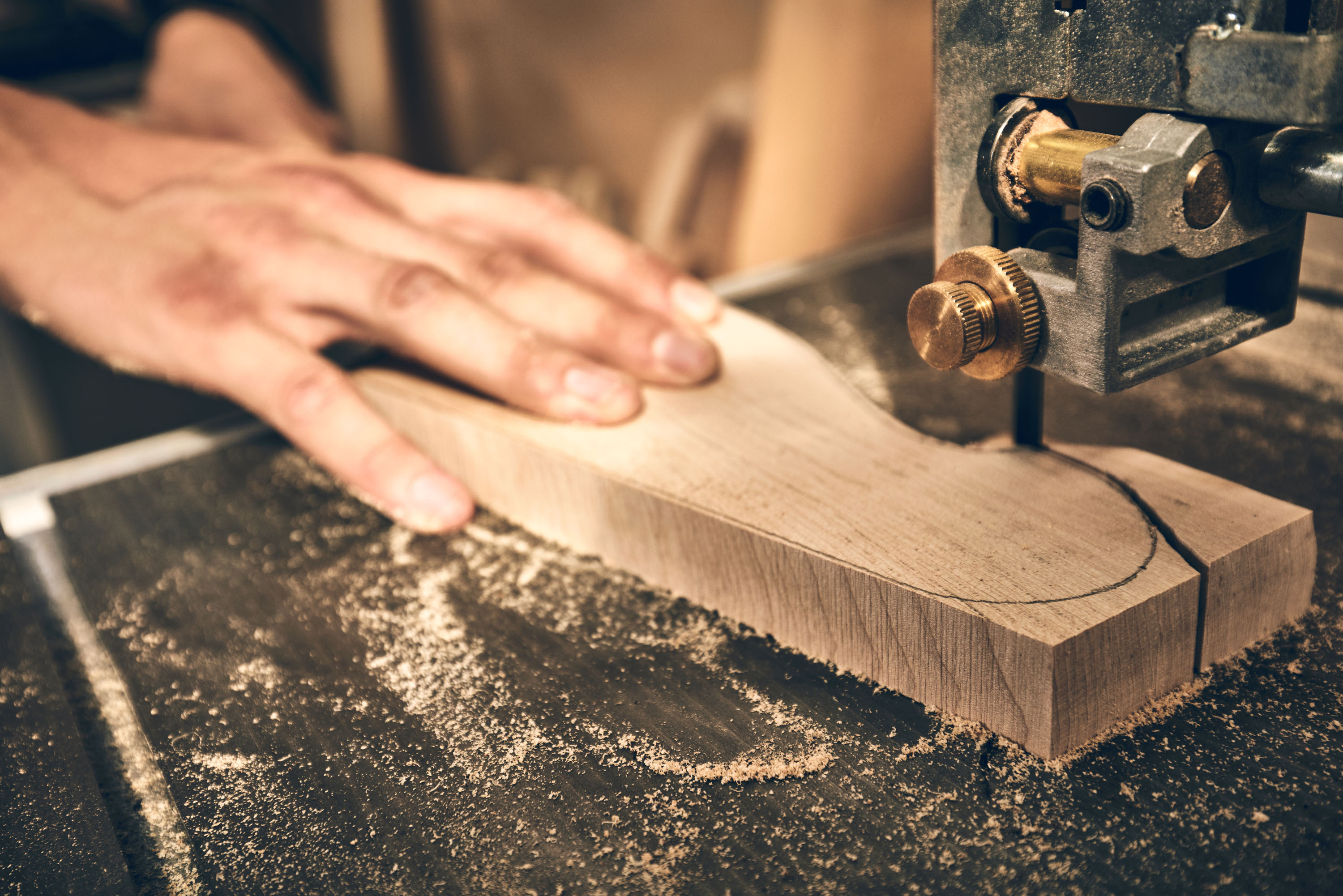
Body and neck blanks are cut from the wood. Then come routing, drilling, shaping the contours, pickup and electronics cavities, the neck pocket, bridge and hardware holes. The neck gets its shape, profile and precise geometry.
Operation by operation, unnecessary wood disappears, and the guitar hidden inside the blank becomes increasingly visible.
This is one of the most fascinating stages of the process. The instrument is still completely bare — no color, no lacquer, no pickups, no hardware, no strings. But now you can pick it up, feel its weight, run your hand along the body contour and, for the first time, see in three dimensions what previously existed only as a drawing.
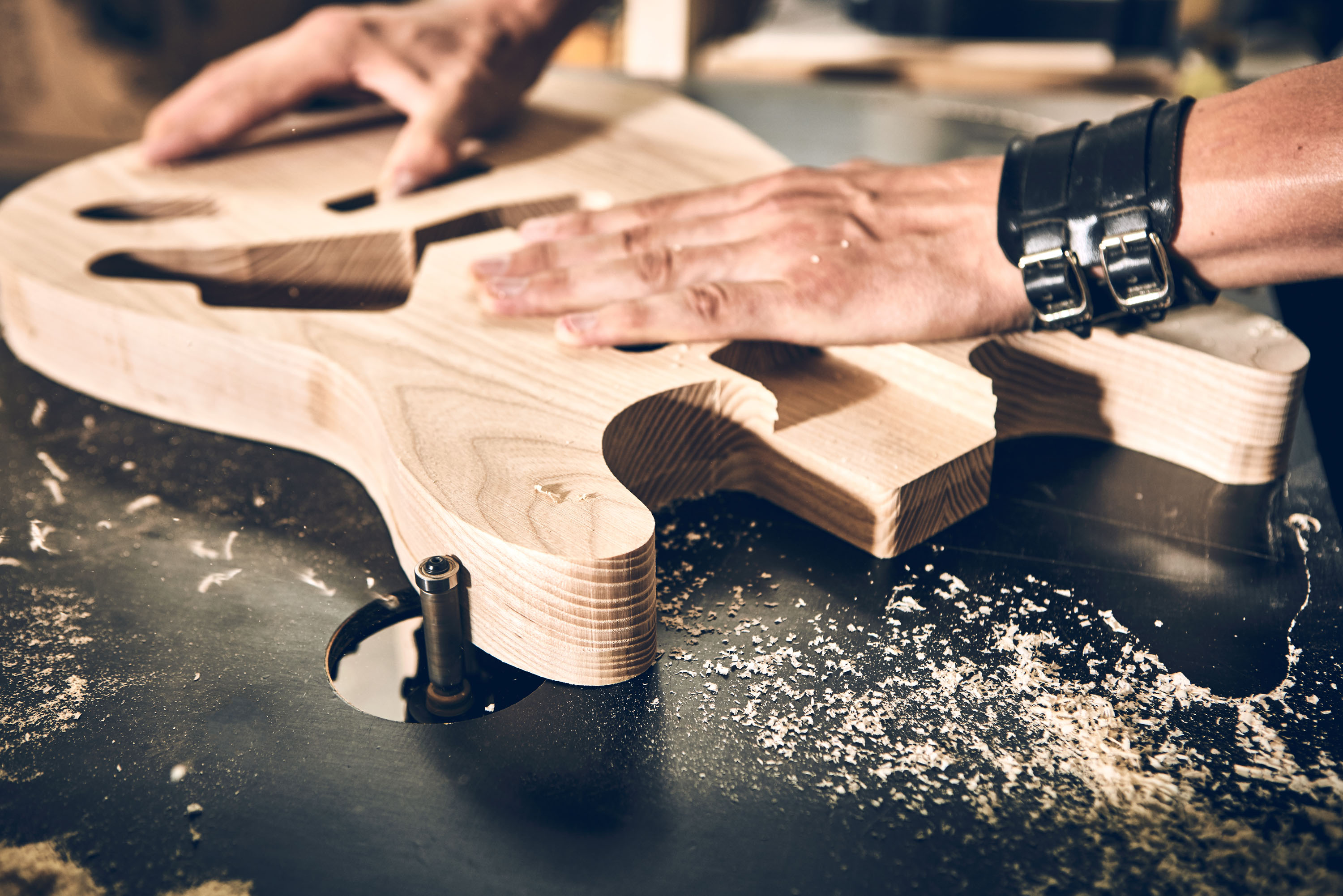
Precision matters here. Scale length, neck and bridge position, body geometry, routing depth — everything has to be exactly where it was designed to be. An error of even a millimeter at this stage can become a serious problem during final assembly.

Where absolute precision and repeatability are required, we use machines and modern equipment. But a machine can only cut a part accurately.
It cannot feel the wood. It cannot notice every subtle detail of a surface. And it does not know how a guitar is supposed to feel in your hands.
Which brings us to something there is a great deal of in the making of a Woodstock.
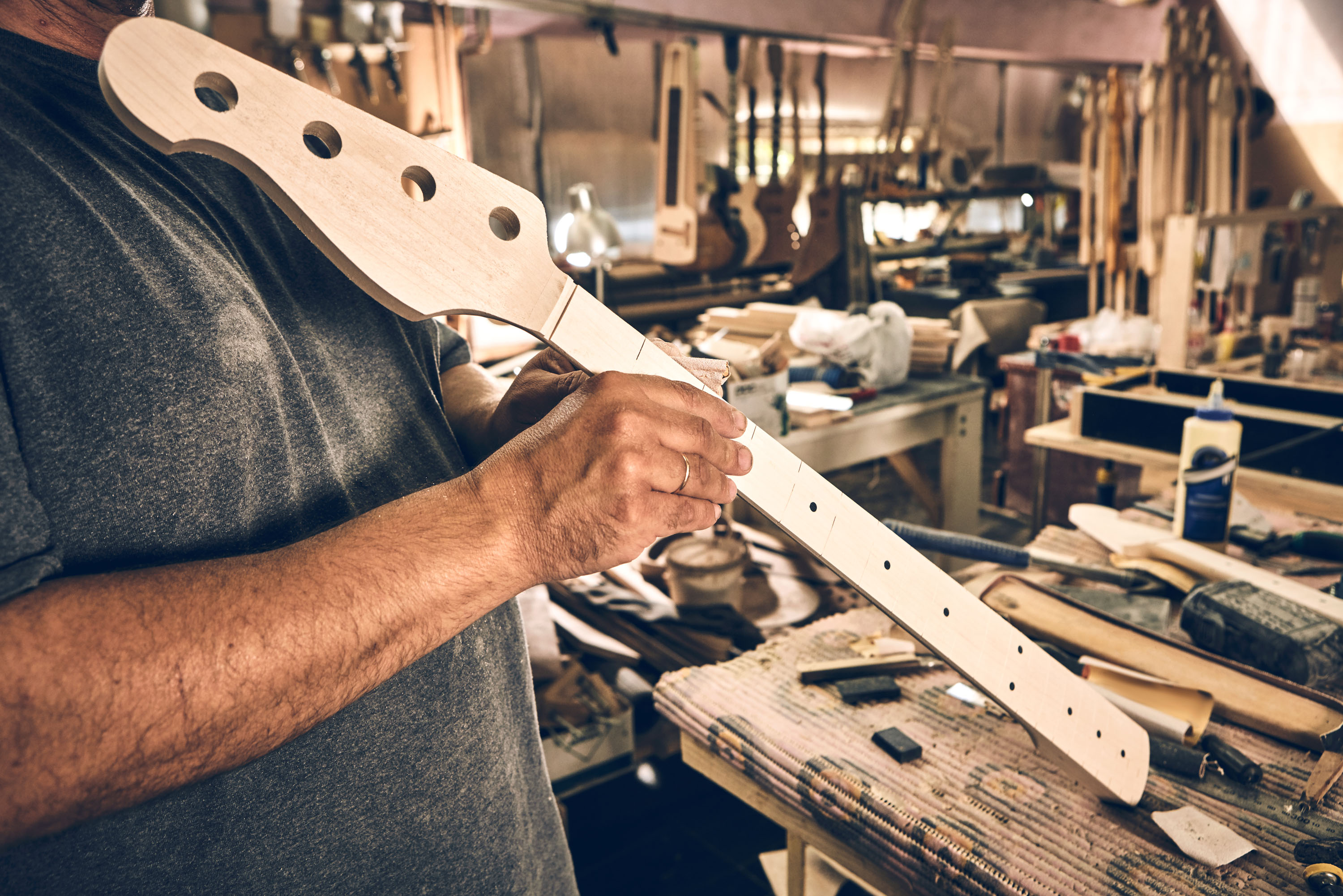
Sanding. A Lot of Sanding.
When you look at a finished guitar, it’s difficult to imagine how many hours during its creation somebody simply spent holding sandpaper.
Sanding follows a guitar through almost its entire journey.
After machining, the body and neck shapes have to be refined. Surfaces need to be leveled. Transitions and radii have to be shaped. The wood has to be prepared for finishing. Then there is more sanding between finishing stages. And once the lacquer has been applied, the surface has to be prepared for final polishing.
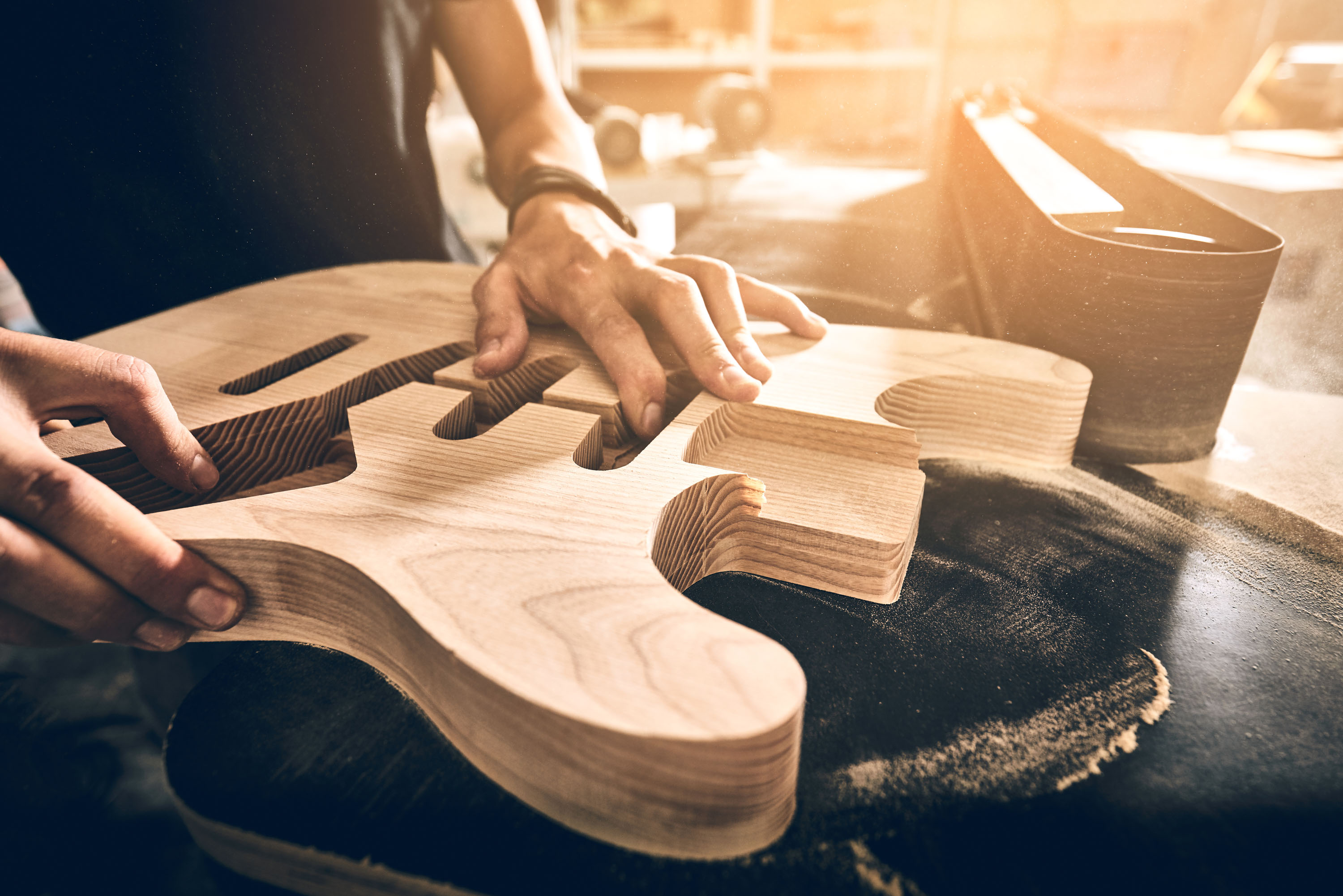
It is slow, repetitive and very manual work.
This is one of the stages where you really understand the difference between a mass-produced object and something that has been worked on by hand.
A machine can make a part precise.
It cannot tell you whether that part feels good in your hands.
That is why so much of the work on Woodstock guitars is done manually: final shaping, sanding, refining neck profiles, edges, transitions and surfaces.
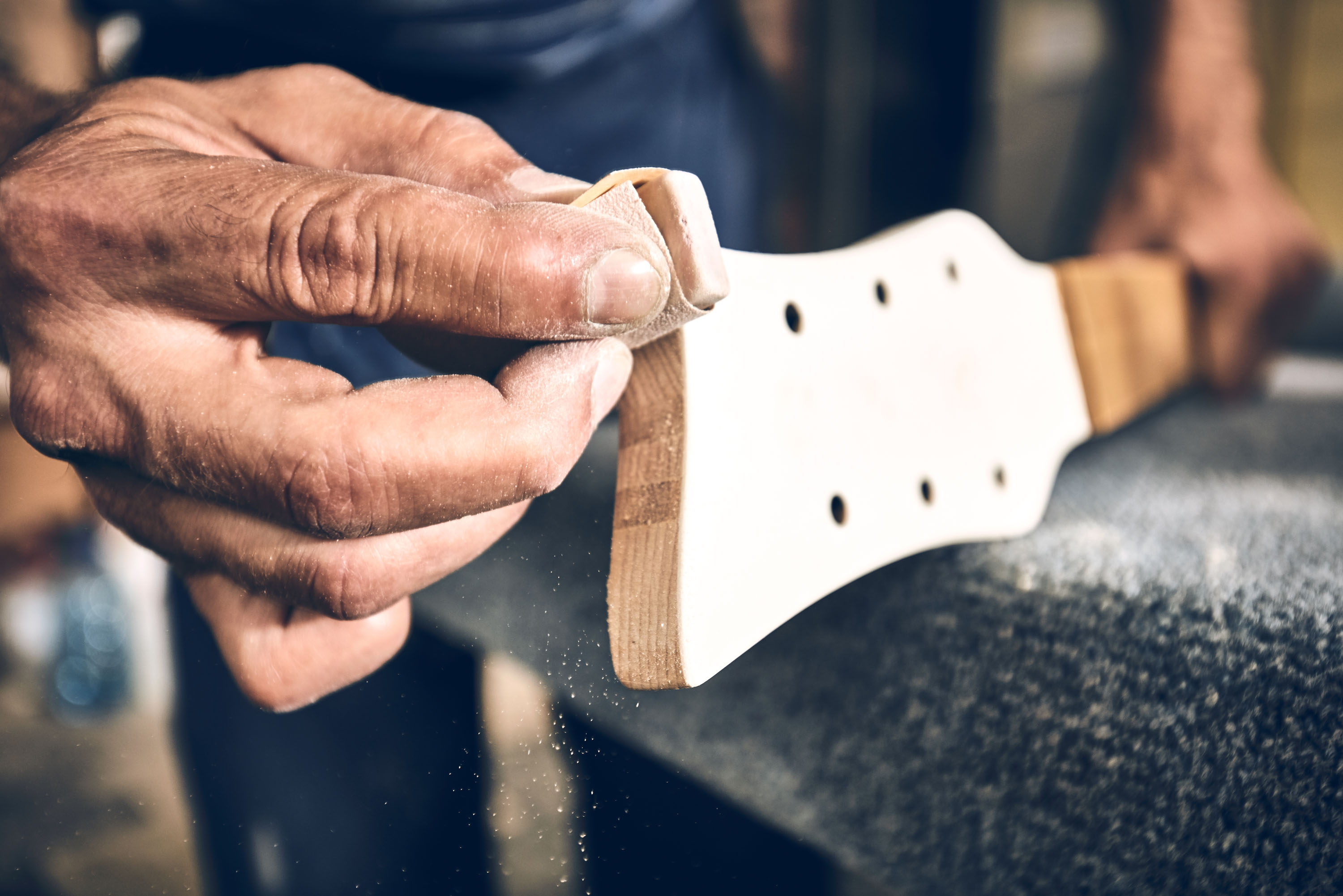
This is where a precisely machined piece of wood gradually stops feeling like a component and begins to feel like a musical instrument.
Our craftsmen have been doing this for many years.
Eventually, there are things you stop measuring with calipers and start measuring with your fingertips.
Hundreds of Small Operations
Between a piece of wood and a finished guitar, there are hundreds of small steps.
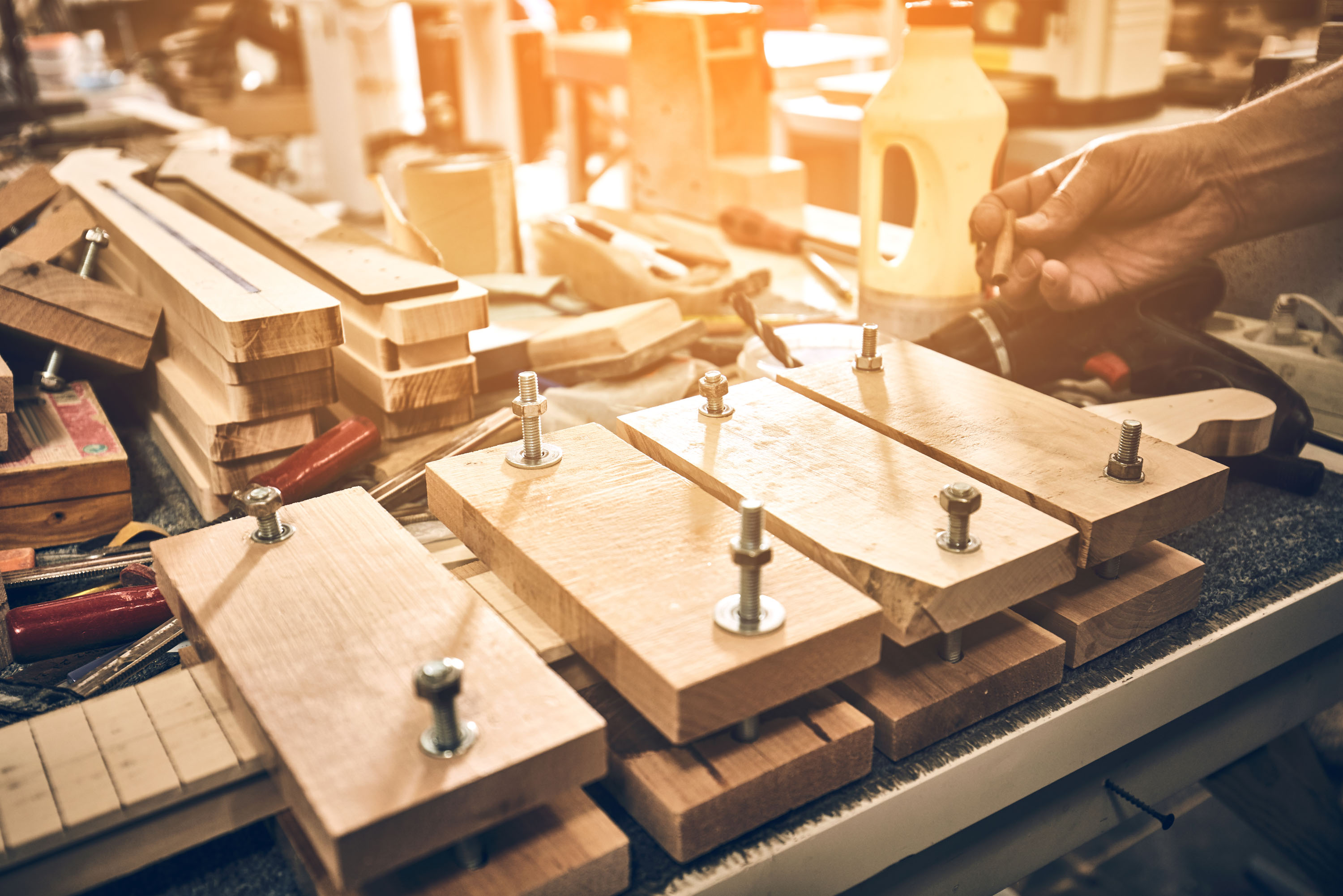
Shaping the bevels. Drilling channels for the wiring. Installing the truss rod. Fitting and gluing the fretboard. Shaping the correct radius. Laying out the scale length and cutting the fret slots. Installing position markers and side dots. Pressing in the frets, leveling them, dressing the edges, and crowning them. Rounding the places where the player’s hand needs to feel comfortable. Checking everything again. Sanding. Adjusting. And checking once more.
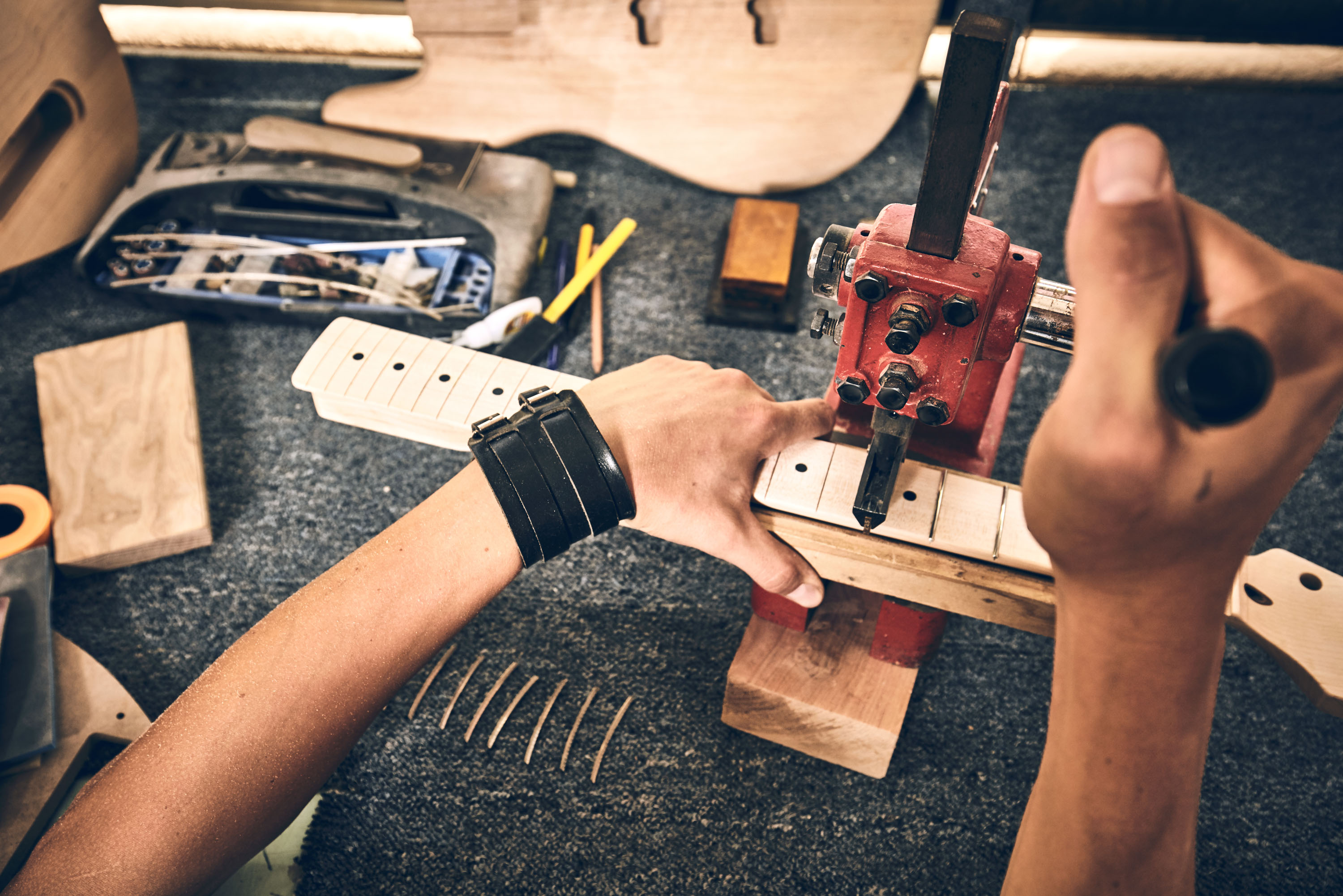
Each of these operations may seem like a small detail on its own. But a guitar is built from exactly these details.
Sometimes it’s a tenth of a millimeter. Sometimes it’s getting an angle just right. Sometimes it’s a few extra passes with sandpaper. And sometimes it’s simply the experience of a craftsman who can feel with his hands when something is right — and when it still needs a little more work.
You won’t see most of this in the finished guitar. And that’s exactly how it should be.
Color Is Part of a Guitar’s Character
The finishing area is a special place.
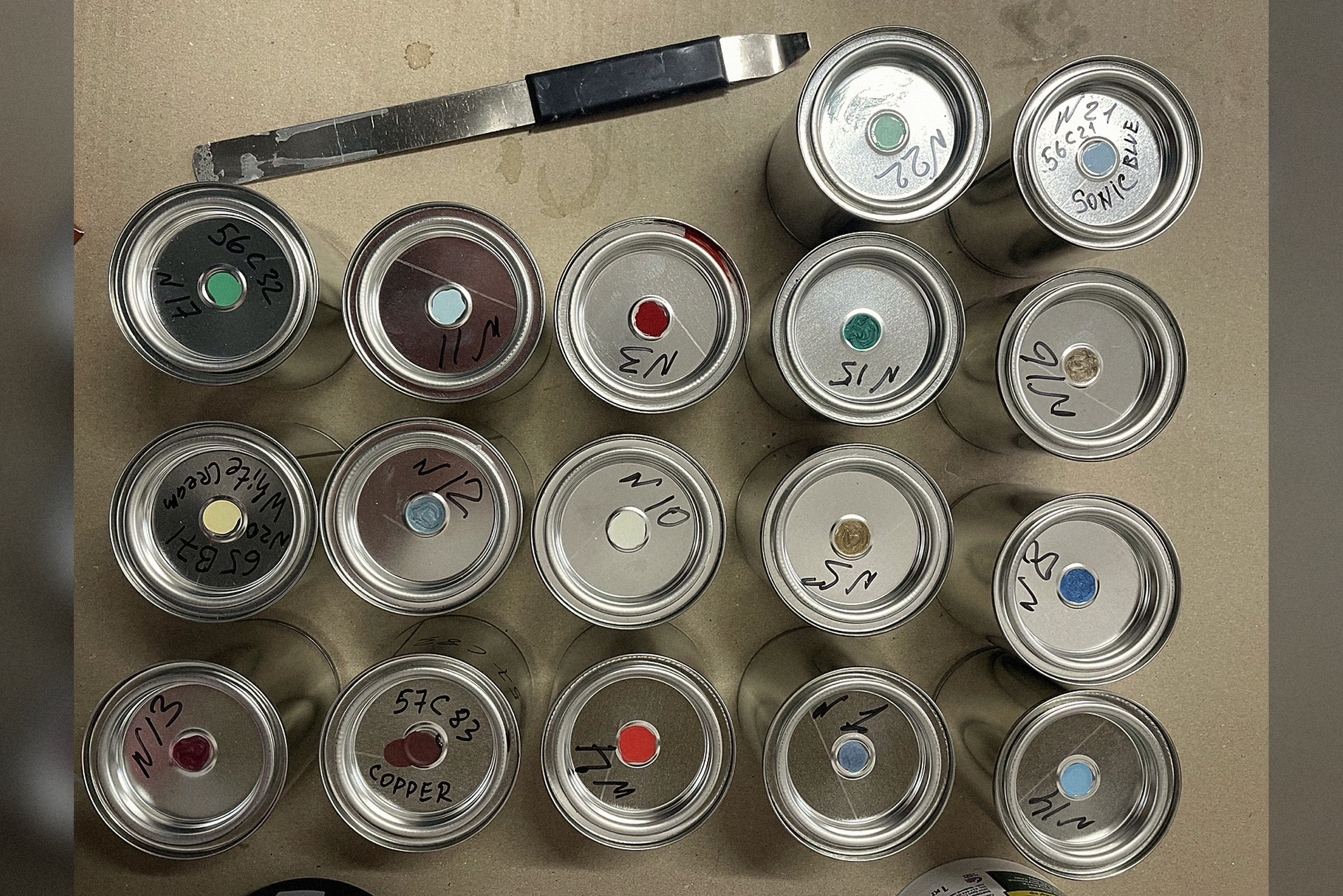
We work with high-quality nitrocellulose lacquers and spend a lot of time experimenting with colors. Some shades are recreated from classic guitar colors of past decades. Others we mix ourselves until we achieve exactly the depth, transparency and character we are looking for.
There may be dozens of cans on the shelf, covered with notes, samples and formulas.
Because sometimes the difference between “almost the same color” and exactly the right color comes down to a few drops of pigment.
Nitrocellulose
We don’t use nitrocellulose simply because the word nitro looks good on a specification sheet.
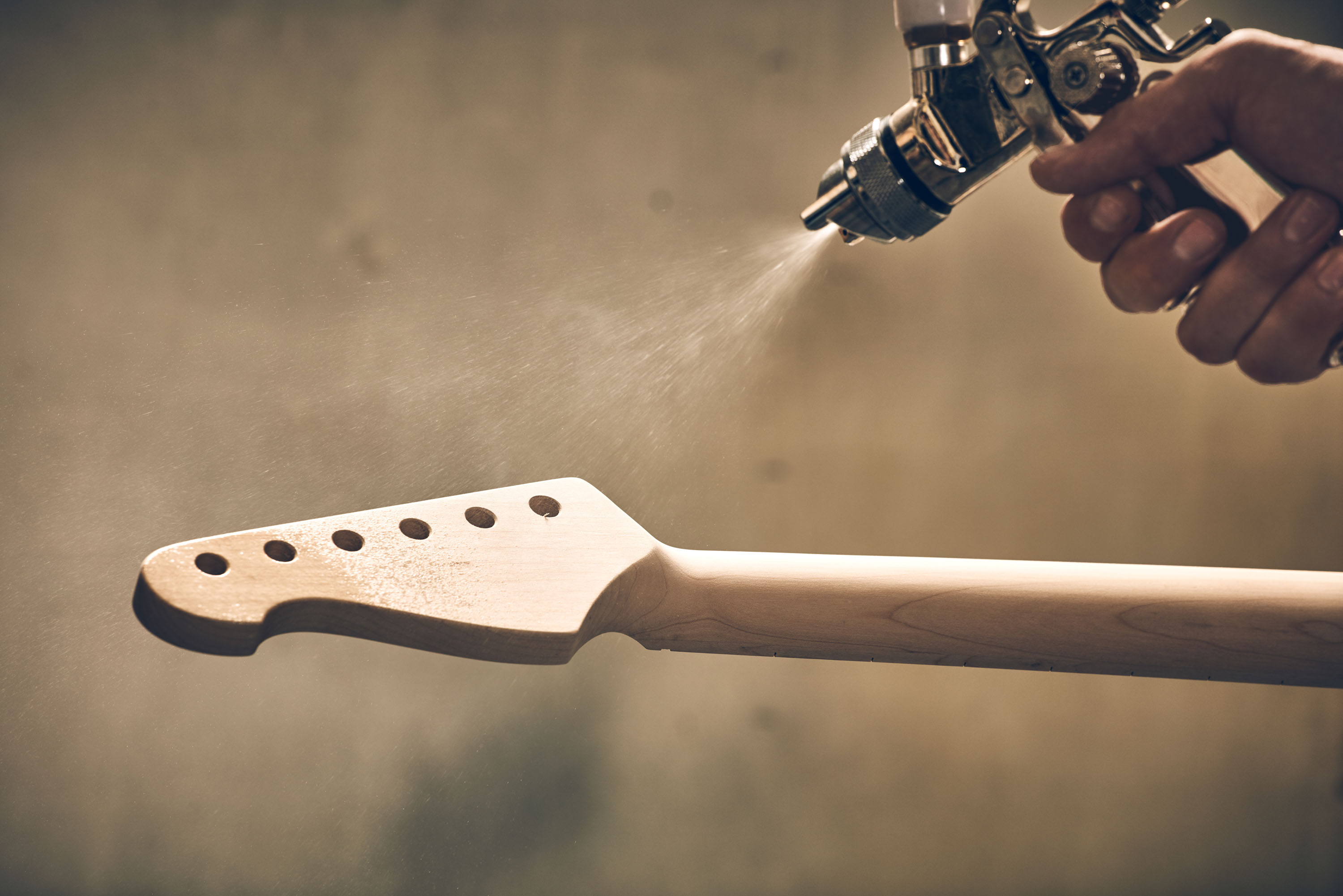
We use it because we love the way it looks, the way it feels and, especially, the way it ages.
Over the years, nitrocellulose changes together with the guitar. Wear begins to appear. Fine checking develops. The color changes subtly. The instrument gradually acquires a history of its own.
The lacquer is built up gradually. Between coats there is drying, sanding, more lacquer — and more waiting.
It is slower and more demanding than many modern industrial finishing processes.
But Woodstock was never intended to be the fastest way to make a guitar.
Polishing
Once the lacquer has fully cured, another stage begins where rushing doesn’t help.
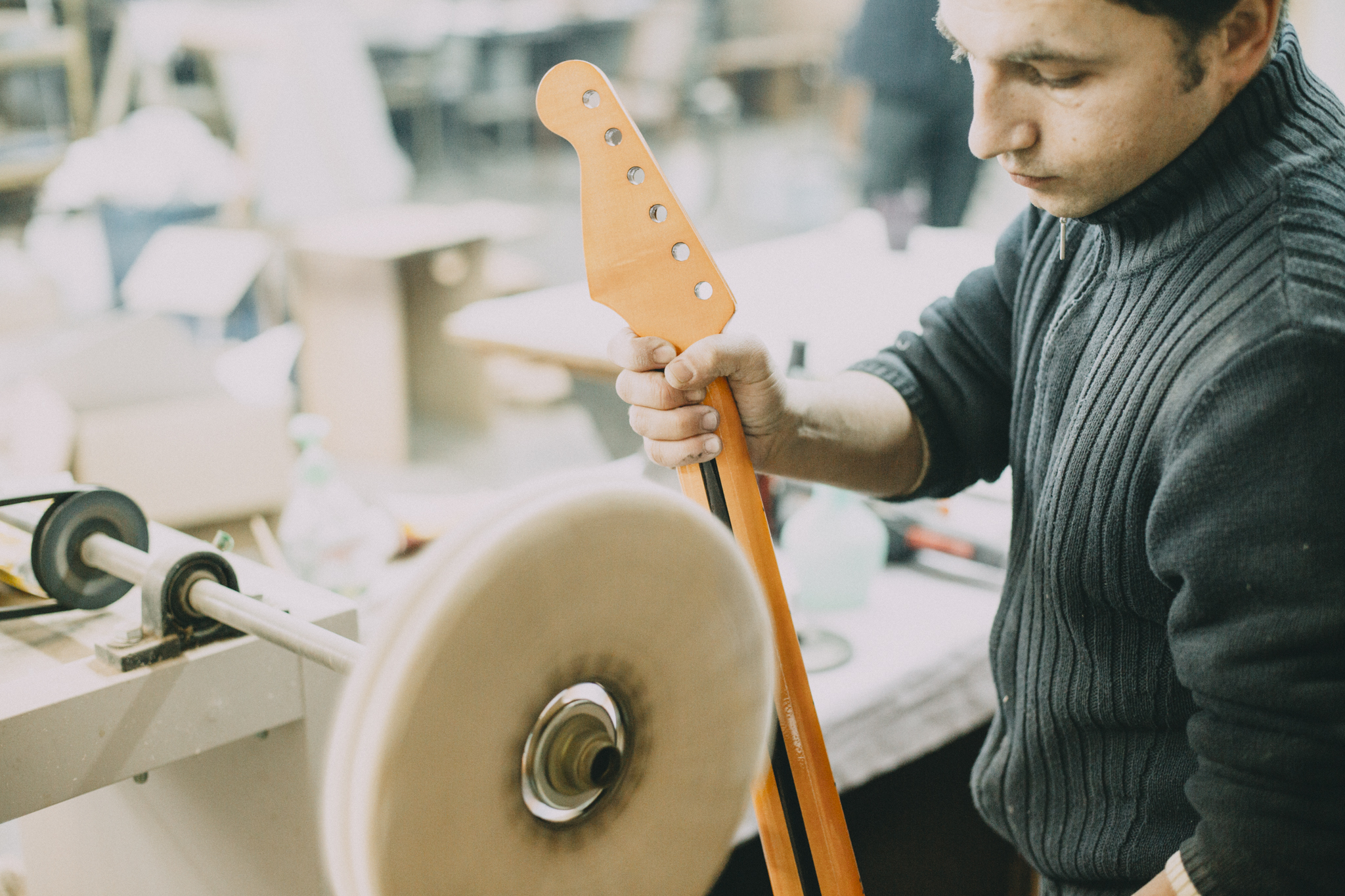
The surface is gradually leveled with very fine abrasives, removing imperfections and traces left by previous operations. Then polishing begins.
And this is where a small transformation happens.
A surface that recently looked simply flat and dull gradually develops depth. The color becomes richer. Reflections appear. The grain of the wood begins to reveal itself.
It is one of those stages where you can literally watch the result appear in front of your eyes.
But, as with almost everything in guitar making, a great result doesn’t begin with the polishing machine.
It begins with how carefully the surface was prepared during every stage before it.
Relic — A History That Never Happened
Making a new guitar look convincingly old is harder than it seems.
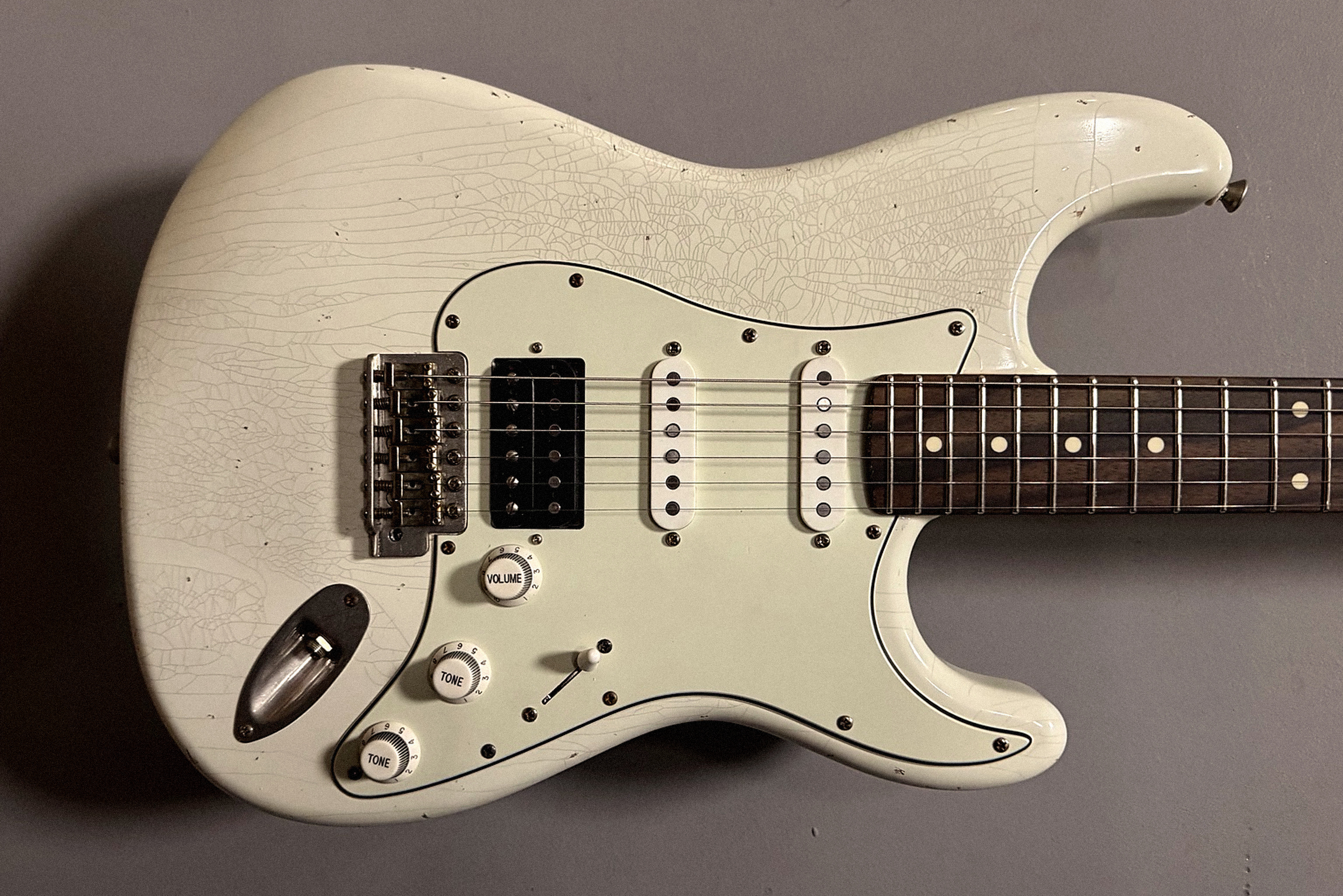
A genuinely old instrument isn’t just worn lacquer and a few scratches. Everything ages over time. Nitrocellulose lacquer fades, wears through, and develops its characteristic network of fine cracks. Metal darkens and oxidizes. Plastic changes color. Tuners, bridges, saddles, pickup magnets, plates, and even every tiny screw show their age.
And different parts of a guitar age differently. Areas that constantly come into contact with the player’s hands, clothing, and strap develop completely different wear patterns from places that are rarely touched.
Nitrocellulose lacquer is an important part of this process. It is thinner and less hard than modern finishes, so it naturally wears and develops fine checking over time. A thin nitro finish also restricts the wood less, allowing the body to resonate more freely.
We study vintage instruments to understand how they actually age and recreate that logic in every detail.
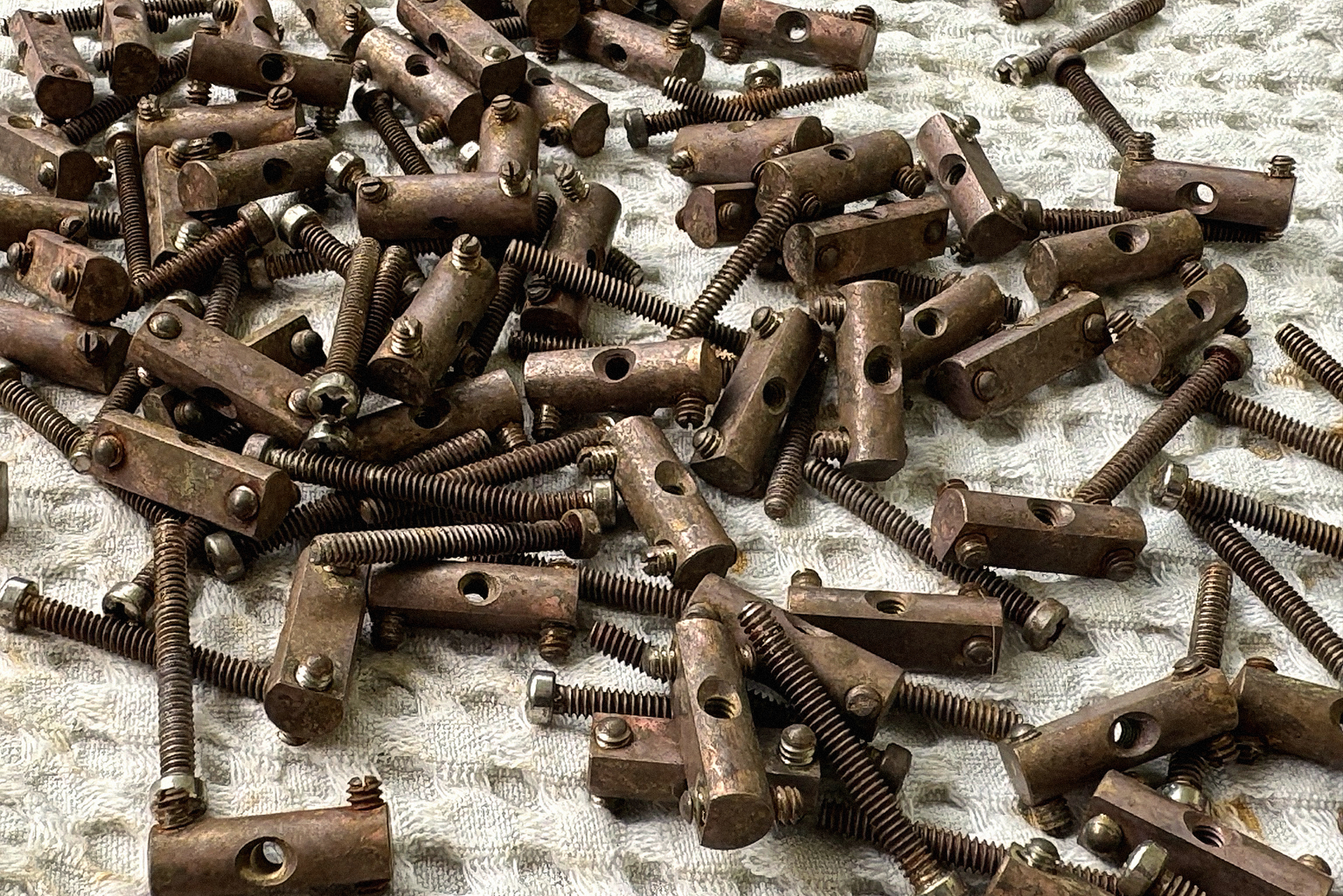
A good relic, therefore, isn’t simply about scratching a new guitar. It’s about imagining how that particular instrument might look after decades of gigs, rehearsals, studio sessions, and thousands of hours in a musician’s hands.
Sometimes we spend a lot of time simply making a new guitar finally stop looking new.

The Body and Neck Have to Find Each Other
We don’t simply put the first finished neck onto the first finished body because their dimensions happen to match.
Wood is never completely identical.
Two bodies made from the same species can have different weights, stiffness and resonant characteristics. The same is true of necks.
So we evaluate each piece and match bodies and necks that we believe will work well together. We listen to their response and consider their weight, stiffness and resonance.
There is no magic involved.
There is wood, physics, experience — and a great many guitars that have passed through our hands over the years.
Assembly
After all these separate processes, there finally comes a moment when a collection of wooden and metal parts becomes a guitar.
The body meets its neck.
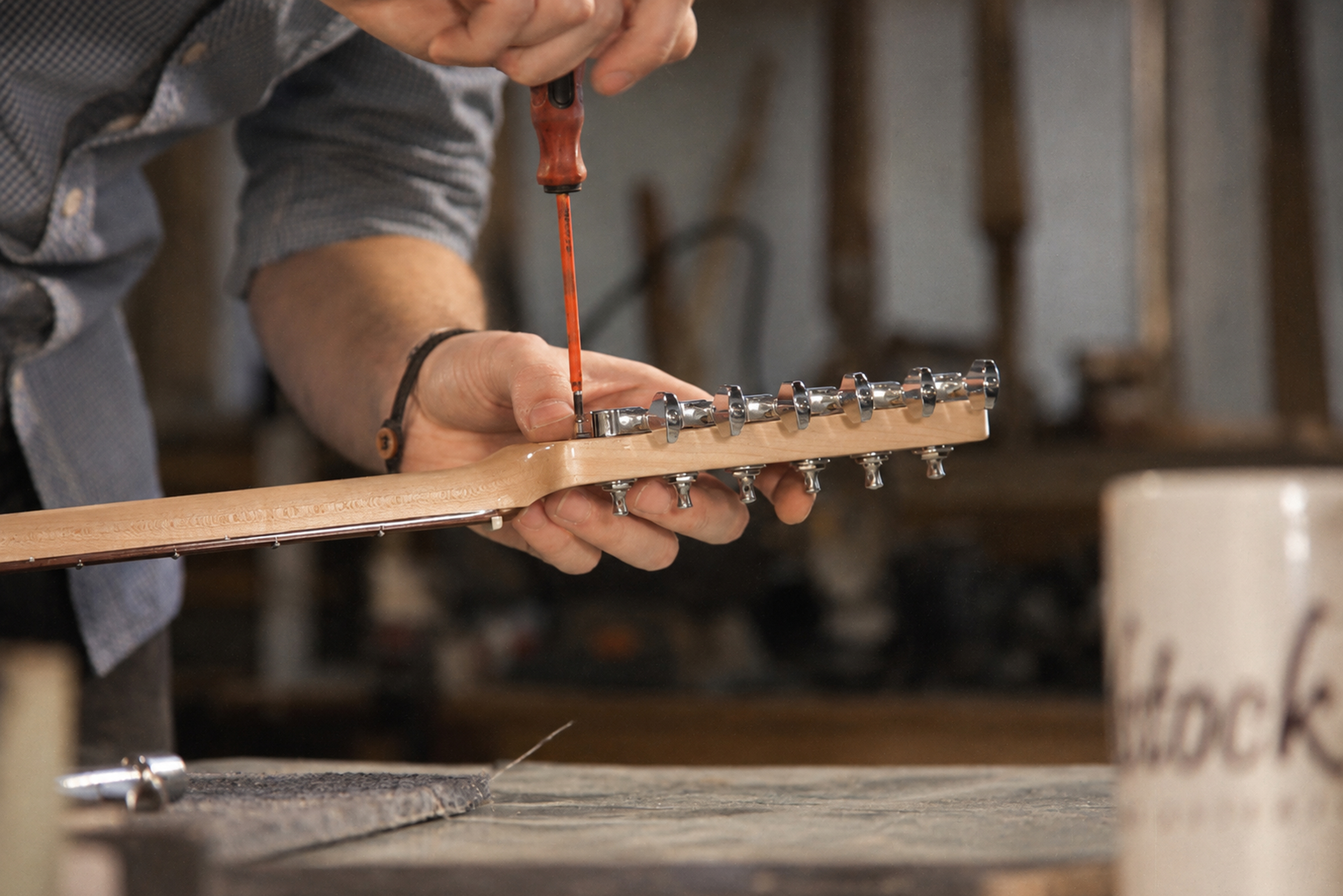
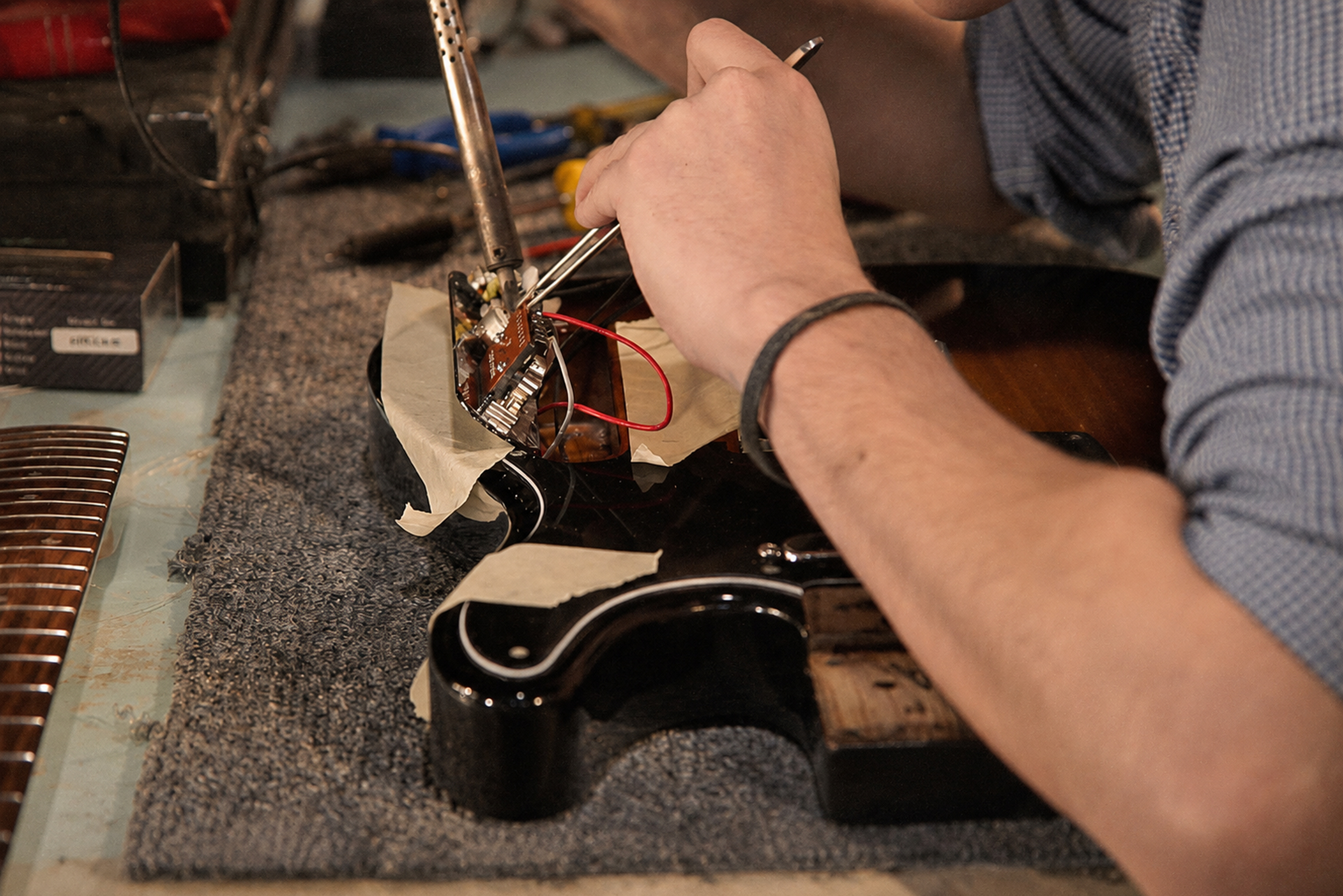
Hardware, electronics and pickups are installed. The strings go on.
And for the first time, the instrument can be plugged into an amplifier.
This is one of the most satisfying moments in the entire process.
Up until now, we have been building a guitar.
Now it has to prove that it can be a musical instrument.
Setup and Final Inspection
An assembled guitar is not necessarily a finished guitar.
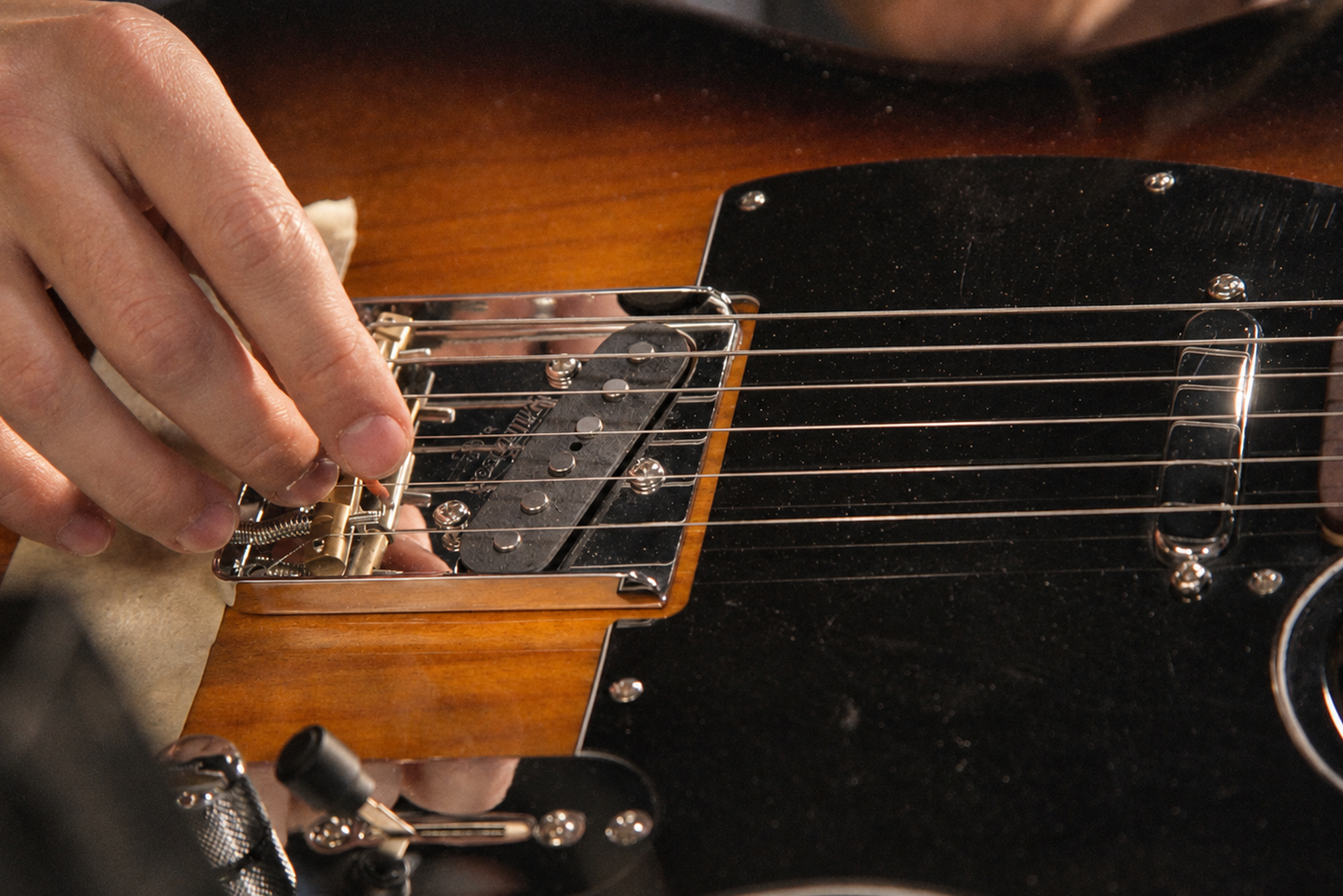
We check neck geometry, frets, string height, intonation, electronics, switches, pots, hardware and tuning stability.
And then somebody simply has to play it.
Not three chords just to make sure there is a signal coming from the pickups.
We listen to every pickup. Feel the attack. Check the sustain. Listen to the instrument clean and driven. See how it responds to a light touch and to a hard strike of the strings.
If there is something we don’t like, the guitar goes back to the workbench.
The box can wait.
Sometimes, Rockets Arrive
There is another stage in the making of a Woodstock that you won’t find in any guitar-building manual.
Russian missiles.
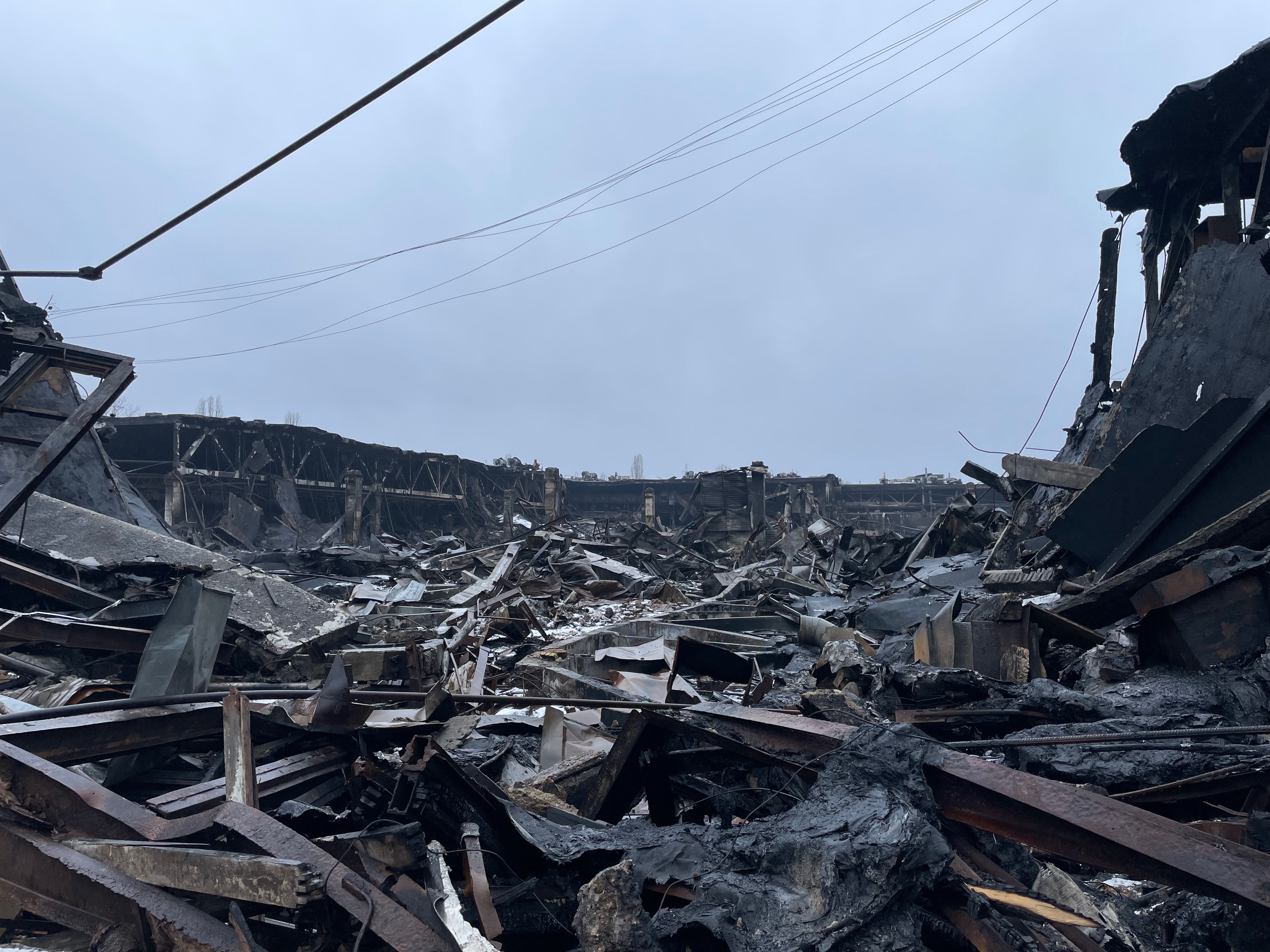
In January 2024, two missiles hit the building in Kyiv where our production was located. The fire burned for almost an entire day.
Afterwards, we went inside and began pulling whatever remained from beneath the debris: wood, bodies, necks, tools and equipment.
Some things were destroyed.
Some we managed to save.
We found a new space, moved what had survived and started again.

We certainly never planned to include bombardment in the Woodstock production process. But today, air-raid alerts, explosions and Russian attacks are not a single episode from our history. They happen on an almost daily basis and have become part of the reality in which we live and continue to work.
We keep making guitars through air-raid alerts, power outages, drone attacks and missile strikes — in a city that continues to live and work.
So if we are going to tell the story honestly of how Woodstock guitars are made in Ukraine today, we cannot show only beautiful wood, craftsmen at their benches, paint and final assembly.
There are air-raid alerts too.
There are nights of explosions, injuries and deaths. And there are mornings when you still have to come back to work and continue what you were doing yesterday.
We don’t want the war to define our guitars.
Woodstock existed long before it, and we want our story to continue long after it.
But today, the war is part of the circumstances in which our instruments are born.
And perhaps that is why every guitar we finish now means a little more to us than simply another instrument completed.
And we continue building guitars here in Kyiv, Ukraine.
Before the Journey — A Photo Session
Once the guitar is completely finished, set up and has passed its final inspection, we have one more tradition.
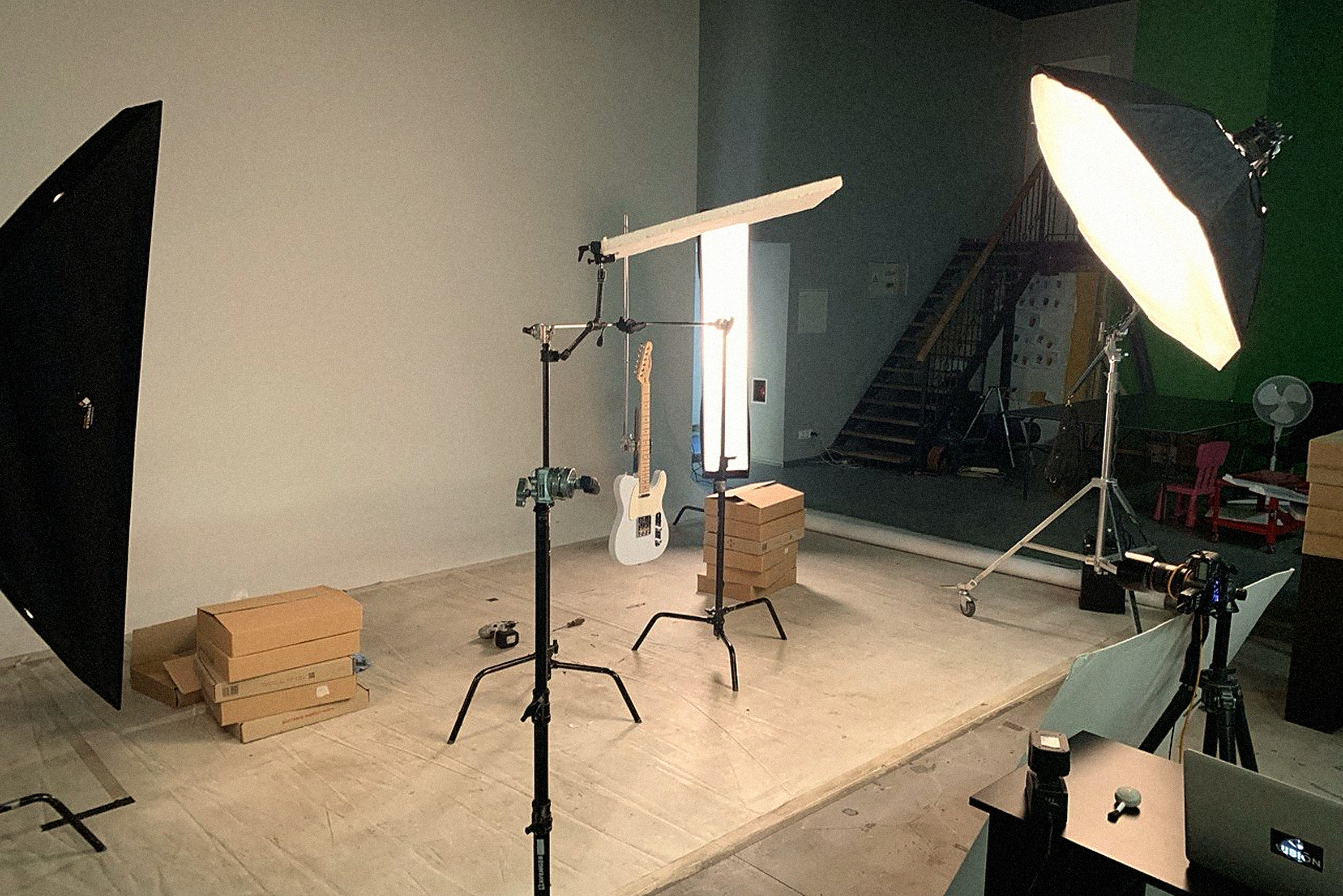
Before the instrument leaves for its owner, we photograph it.
These aren’t simply product photos for the website. For us, they are a kind of final portrait before the guitar leaves our production.
We remember it as a board in the wood storage. As a body blank. As a neck lying on a workbench. We’ve seen it covered in sanding dust, watched the first coats of color and lacquer go on, assembled it, set it up and polished it.
And then, finally, we place the finished instrument in front of the camera.
Every guitar is slightly different. Even when two Woodstocks of the same model and color are lying next to each other.
So before it leaves, we like to keep a few photographs of that particular guitar.
After that, it is no longer ours.
The Final Stage — The Journey to the Musician
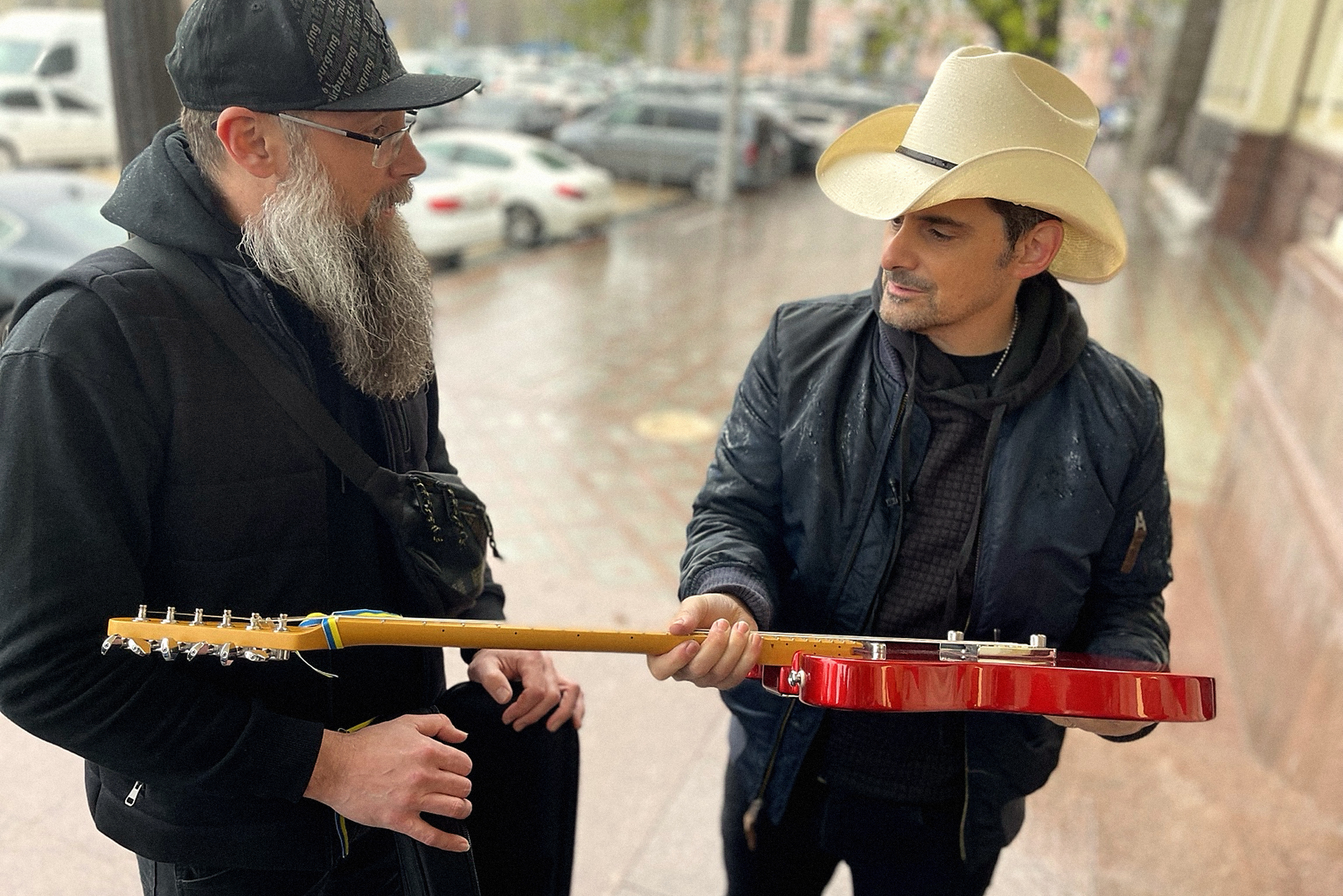
After the photo session, the guitar is cleaned one last time, packed and leaves our production in Kyiv.
After the wood, machines, dust, endless sanding, paint, the smell of nitrocellulose lacquer, drying, polishing, soldering, assembly, setup, inspection and those final photographs — it is finally on its way to its owner.
To the United States, Europe, Canada or somewhere else in the world.
And every time, it feels a little strange.
We remember this guitar as a board in the wood storage. We remember the wooden blank on the workbench. The first coat of color. The polishing. The assembly. The first strings. The first sound. And the final photograph before shipping.
And now, thousands of miles away from Kyiv, somebody opens the box, picks it up, plugs it into an amplifier and plays the first chord.
That’s why we do all of this.